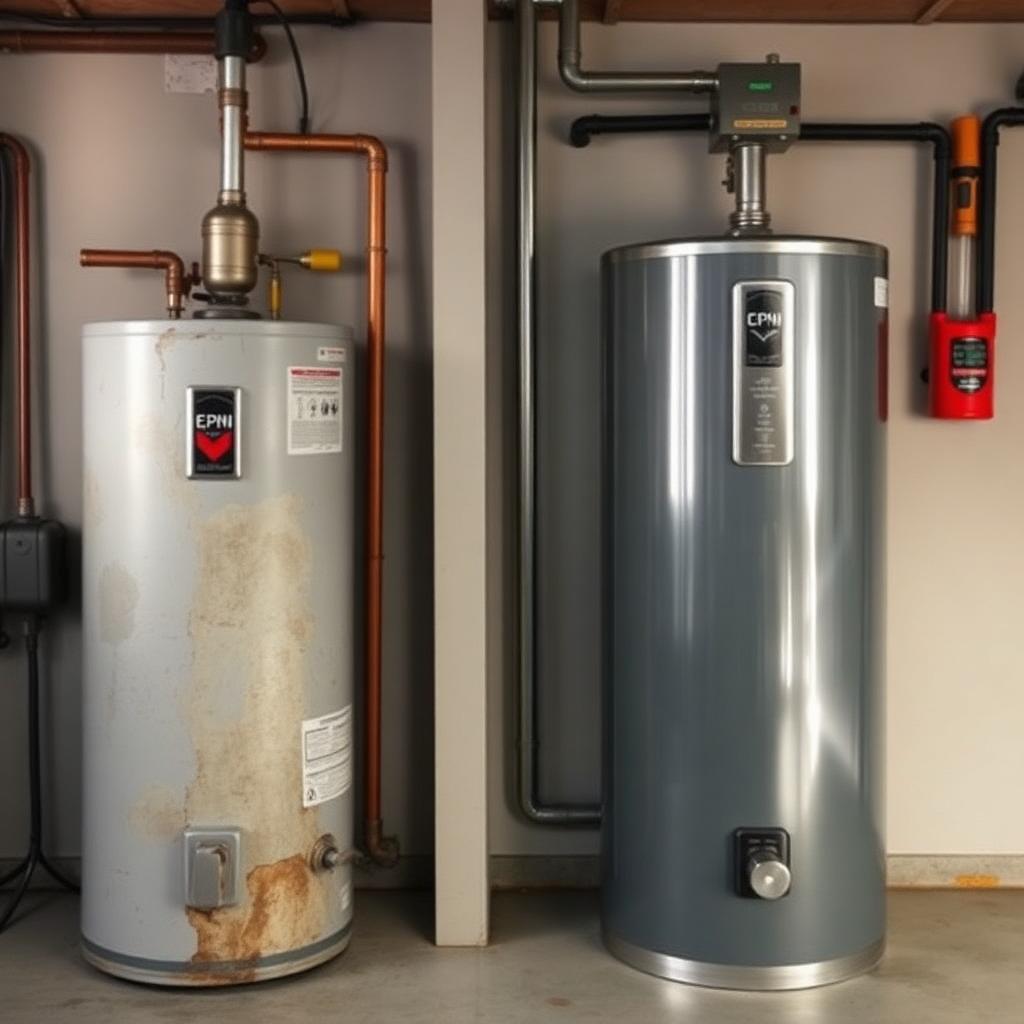
Introduction
One of the most common questions we hear from homeowners in Orange County, Los Angeles, and Riverside is: "How long do water heaters last?" The answer depends on several factors, including the type of water heater, maintenance habits, water quality, and installation quality.
At Water Heater Warehouse, we've replaced thousands of water heaters throughout Southern California. In this guide, we'll share what you can realistically expect from your unit and how to maximize its lifespan.
Average Lifespan by Water Heater Type
| Type | Average Lifespan | Range |
| Traditional Tank (Gas) | 8–12 years | 6–15 years |
| Traditional Tank (Electric) | 10–15 years | 8–20 years |
| Tankless (Gas or Electric) | 15–20 years | 12–25 years |
| Heat Pump Water Heater | 10–15 years | 8–18 years |
Traditional Tank Water Heaters
Tank water heaters are the most common type in American homes. They store and continuously heat a reservoir of water (typically 40–80 gallons).
Gas tank heaters: Last 8–12 years on average. The burner and venting system can corrode over time.
Electric tank heaters: Last 10–15 years on average. They have fewer moving parts but are still susceptible to tank corrosion.Tankless Water Heaters
Tankless (on-demand) water heaters heat water as it flows through the unit, rather than storing it. This design gives them a significantly longer lifespan:
Average lifespan: 15–20 years
With excellent maintenance: Up to 25 years
Key advantage: Individual components (heat exchangers, heating elements) can often be replaced, extending the unit's lifeHeat Pump Water Heaters
Heat pump water heaters are a newer, highly efficient technology:
Average lifespan: 10–15 years
Consideration: Because the technology is newer, long-term durability data is still being collected7 Factors That Affect Water Heater Lifespan
1. Water Quality
Hard water is the #1 enemy of water heaters in Southern California. The high mineral content (calcium and magnesium) causes:
Sediment buildup at the bottom of the tank
Scale deposits on heating elements
Reduced efficiency and premature failureSolution: Install a water softener or flush your tank annually.
2. Maintenance Frequency
Regular maintenance is the single most important factor in extending your water heater's life:
Annual flushing: Removes sediment and scale
Anode rod inspection: Replace every 3–5 years to prevent tank corrosion
T&P valve testing: Ensures safety pressure relief
Professional tune-ups: Catch small problems before they become expensive failures3. Installation Quality
Poor installation is a leading cause of early water heater failure:
Incorrect venting (gas heaters)
Improper electrical connections
Undersized or oversized units
Lack of expansion tanks where requiredAlways hire a licensed, experienced plumber for installation.
4. Usage Patterns
Heavy usage shortens lifespan:
Large families use more hot water, cycling the unit more frequently
Commercial applications see significantly more wear than residential units
Vacation homes with infrequent use may actually last longer due to reduced thermal cycling5. Temperature Settings
Setting your water heater too high (above 140°F) causes:
Increased thermal stress on the tank
Faster corrosion rates
Higher energy billsRecommended setting: 120°F for optimal balance of safety, efficiency, and longevity.
6. Manufacturer & Model Quality
Not all water heaters are created equal:
Premium brands (Rheem, Bradford White, Rinnai, Navien) typically last longer
Extended warranty models often have better internal components
Professional-grade units vs. big-box store models differ in build quality7. Proximity to Coastal Air
Homes near the Orange County coast face additional corrosion risk from salt air, which can:
Accelerate rust on external components
Affect venting systems
Reduce lifespan by 1–3 years compared to inland homesWarning Signs Your Water Heater Is Dying
Watch for these indicators that replacement is near:
Age: Unit is approaching or exceeding the average lifespan for its type
Rusty water: Especially from hot water taps only
Strange noises: Popping, rumbling, or banging sounds
Leaks: Any moisture around the base of the tank
Inconsistent temperature: Water runs hot then cold, or never gets hot enough
Higher energy bills: Reduced efficiency means the unit works harderHow to Maximize Your Water Heater's Lifespan
DIY Maintenance (Every 6–12 Months)
Flush the tank to remove sediment
Test the T&P valve by lifting the lever briefly
Inspect for leaks around fittings and the base
Check the anode rod (or have a pro do it)Professional Maintenance (Annually)
Full system inspection
Descaling (especially important for tankless units)
Gas line and venting inspection (gas heaters)
Electrical connection check (electric heaters)
Efficiency testingInstall a Water Softener
For homes with hard water (common throughout Orange and Riverside counties), a water softener can extend your water heater's life by 2–5 years.
When to Repair vs. Replace
| Factor | Repair | Replace |
| Age | Under 8 years (tank) / Under 12 years (tankless) | Over 10 years (tank) / Over 15 years (tankless) |
| Problem | Minor: valve, thermostat, element | Major: tank leak, heat exchanger failure |
| Efficiency | Still reasonable | Significantly declined |
| Repair Cost | Under $300 | Over $500 (or >50% of replacement cost) |
Trust Water Heater Warehouse for Honest Advice
Not sure if your water heater can be saved or needs replacement? Our licensed technicians provide honest assessments — we'll repair when it makes sense and recommend replacement when it's the smarter long-term choice.
Call (714) 244-8562 for a free inspection and straightforward advice!