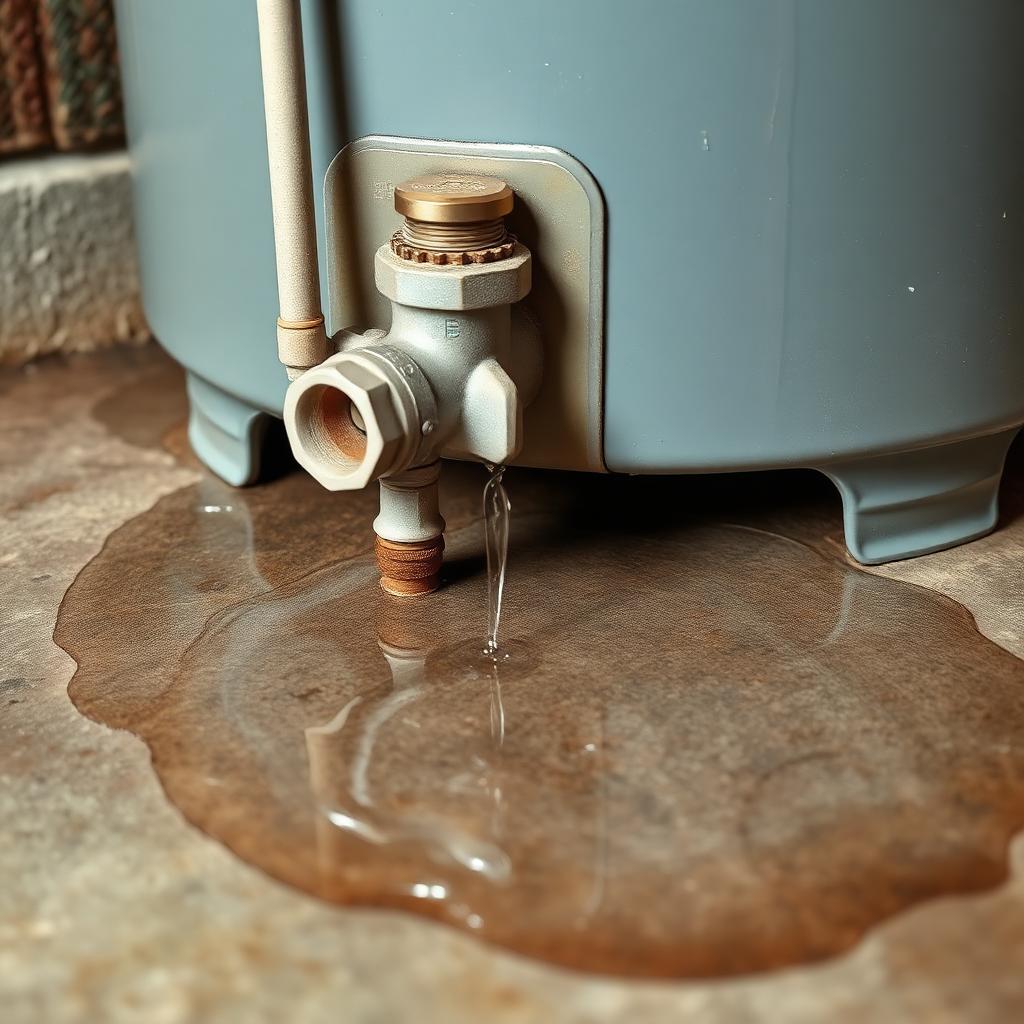
A Leaking Water Heater Is an Emergency
If you've discovered water pooling around the base of your water heater, you're dealing with a situation that requires immediate attention. Even a small leak can cause:
Structural damage to floors, walls, and subflooring
Mold growth within 24–48 hours
Electrical hazards if water reaches wiring or outlets
Complete water heater failure without warningAs Orange County's emergency water heater specialists, we respond 24/7 to leaking water heaters. Here's what you need to know.
Immediate Steps: What to Do Right Now
1. Turn Off the Water Supply
Locate the cold water shut-off valve at the top of the water heater
Turn it clockwise (right) until it stops
If the valve is stuck or you can't reach it safely, shut off the main water supply to your home2. Turn Off the Power or Gas
Gas water heaters: Turn the thermostat dial to "OFF" or flip the gas shut-off valve
Electric water heaters: Turn off the circuit breaker labeled "water heater" at your electrical panel
Never work on a water heater that has power or gas flowing3. Drain the Tank (If Safe)
If the leak is significant and you can safely access the drain valve:
Connect a garden hose to the drain valve at the bottom of the tank
Run the hose to a floor drain, sump pump, or outside
Open the drain valve
Open a hot water faucet elsewhere in the house to allow air into the tankCaution: The water will be extremely hot. Use protective gloves and keep children and pets away.
4. Call a Professional
For any water heater leak, call a licensed plumber. We offer same-day emergency service throughout Orange County, Los Angeles, and Riverside.
Call (714) 244-8562 for immediate assistance!
Common Causes of Water Heater Leaking From the Bottom
1. Failed Drain Valve
The drain valve at the bottom of the tank can fail due to:
Age and corrosion: The valve deteriorates over time
Sediment blockage: Mineral buildup prevents the valve from closing fully
Physical damage: Bumping or hitting the valve during maintenanceCan it be repaired? Yes — a plumber can replace the drain valve, which is a relatively inexpensive repair ($150–$300).
2. Corroded or Cracked Tank
This is the most serious cause of bottom leaks. The tank itself has developed a hole or crack due to:
Internal corrosion: The anode rod has been fully consumed, leaving the tank unprotected
Age-related deterioration: Tanks naturally corrode from the inside out
Excessive pressure: A failed T&P valve or thermal expansion creates dangerous pressure levelsCan it be repaired? No — a cracked or corroded tank cannot be safely repaired. The entire water heater must be replaced.
3. Loose or Failed Pipe Connections
Sometimes water appears to be leaking from the bottom when it's actually coming from:
Loose inlet/outlet connections at the top of the tank
Failed temperature and pressure (T&P) relief valve
Corroded nipples or fittingsWater runs down the tank and pools at the bottom, making it look like the tank itself is leaking.
Can it be repaired? Yes — tightening connections or replacing valves typically costs $100–$250.
4. Condensation (Not Actually a Leak)
In some cases, what looks like a leak is actually condensation:
Occurs when cold water enters a very hot tank
Common during periods of high hot water demand
Creates small puddles that disappear when demand stopsHow to tell: If the "leak" only happens during heavy usage and the tank isn't actively spraying or dripping, it may be condensation.
How to Diagnose the Source of the Leak
Before calling a plumber, you can perform a quick inspection (after turning off power/gas):
Dry the area around the base of the tank with towels
Check the drain valve: Look for active dripping from the valve itself
Check the T&P valve discharge pipe: Follow the pipe down from the side of the tank — if it's dripping, the T&P valve may be the culprit
Inspect the tank bottom: Look for rust, corrosion, or visible cracks
Check the top fittings: Feel for moisture around inlet/outlet pipesTemporary Fixes (Until the Plumber Arrives)
If the Drain Valve Is Leaking
Try gently tightening the valve with a wrench (don't overtighten)
Place a bucket under the valve to catch drips
If the valve won't close fully, you may need to cap the outlet temporarilyIf the T&P Valve Is Leaking
This valve is a safety device — never plug or cap it
Place a bucket under the discharge pipe
Call a plumber immediately; excessive pressure is dangerousIf the Tank Is Leaking
There's no safe temporary fix for a cracked tank
Turn off water and power immediately
Begin draining the tank if possible
Call for emergency replacementRepair vs. Replacement: Making the Right Choice
| Situation | Likely Solution | Estimated Cost |
| Loose fitting or connection | Repair | $100–$250 |
| Failed drain valve | Repair | $150–$300 |
| Failed T&P valve | Repair | $150–$300 |
| Cracked or corroded tank | Replace | $1,200–$3,500+ |
| Unit over 10 years old with tank leak | Replace | $1,200–$3,500+ |
Preventing Future Water Heater Leaks
Annual Maintenance
Flush the tank to remove sediment that accelerates corrosion
Inspect the anode rod and replace when it's 50% consumed
Test the T&P valve to ensure it's working properly
Check all connections for signs of corrosion or loosenessInstall a Drain Pan
If your water heater doesn't have one, install a drain pan with a piped drain line. This won't prevent leaks but will protect your home from water damage.
Consider a Leak Detection System
Modern leak detection devices can:
Alert you via smartphone when moisture is detected
Automatically shut off the water supply
Integrate with smart home systems24/7 Emergency Water Heater Service in Orange County
At Water Heater Warehouse, we understand that a leaking water heater can't wait. That's why we offer:
24/7 emergency response
Same-day service throughout Orange, LA, and Riverside counties
Licensed, insured technicians
Upfront pricing with no hidden fees
Stocked service vehicles for fast repairsDon't let a leaking water heater damage your home. Call (714) 244-8562 now!