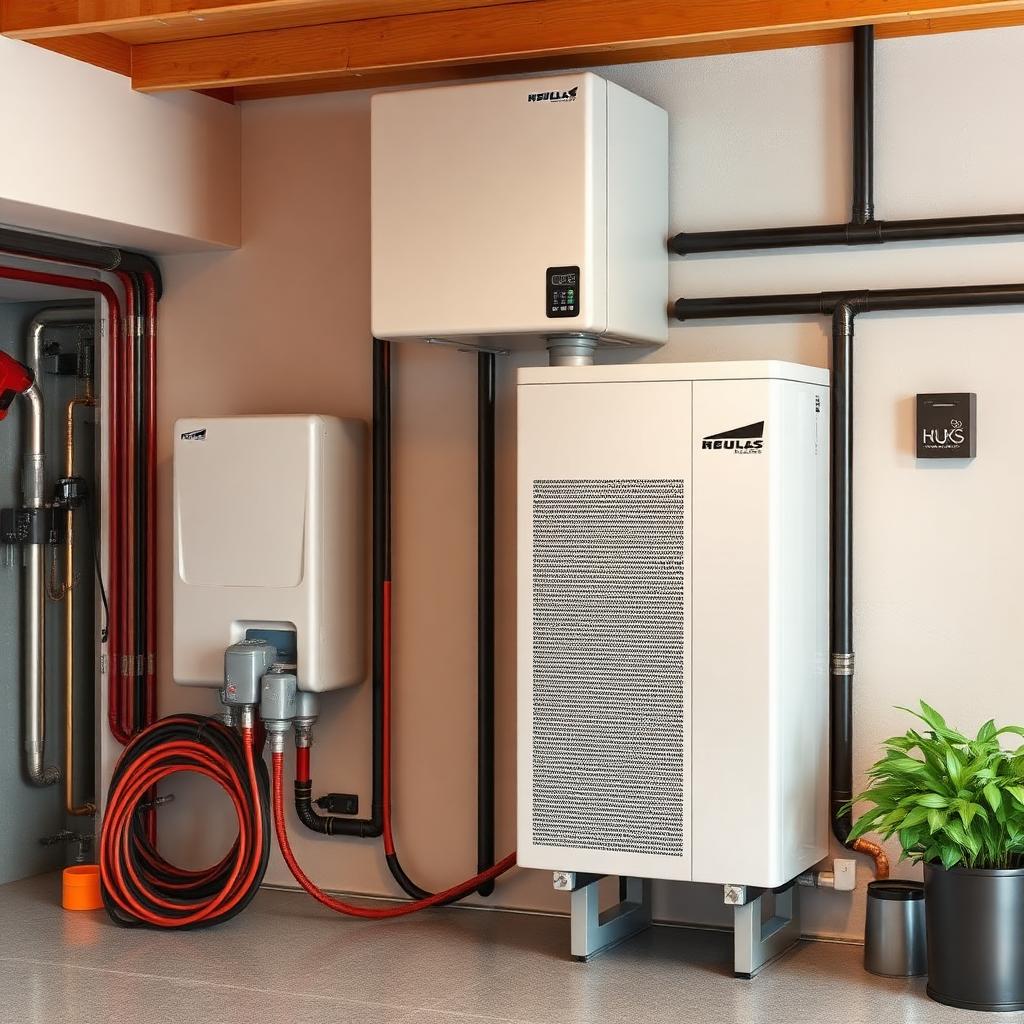
What Is a Heat Pump Water Heater?
A heat pump water heater (HPWH) is the most energy-efficient way to heat water for your home. Unlike traditional water heaters that generate heat directly using gas or electric resistance, heat pump water heaters work like a refrigerator in reverse:
They pull heat from the surrounding air
Compress and intensify that heat using a refrigerant
Transfer the heat to the water in the tankThis process is 3–4 times more efficient than standard electric water heaters, meaning you get the same amount of hot water using a fraction of the energy.
How Do Heat Pump Water Heaters Work?
Understanding the technology helps you make an informed decision:
The Science Behind It
Heat pump water heaters use four key components:
Evaporator coil: Absorbs heat from the ambient air
Compressor: Compresses refrigerant to increase its temperature
Condenser coil: Releases heat into the water tank
Expansion valve: Cools the refrigerant so the cycle can repeatBecause heat pumps move heat rather than create it, they can deliver more energy than they consume — typically producing 3–4 units of heat for every 1 unit of electricity used.
Operating Modes
Most heat pump water heaters offer multiple modes:
Heat pump only: Most efficient mode, uses only the heat pump
Hybrid mode: Automatically switches between heat pump and electric resistance based on demand
Electric resistance only: Backup mode for high-demand periods or very cold conditions
Vacation mode: Maintains minimum temperature while you're awayBenefits of Heat Pump Water Heaters
1. Dramatic Energy Savings
For a typical family of four:
Standard electric water heater: ~$500–$700/year in electricity
Heat pump water heater: ~$150–$250/year in electricity
Annual savings: $350–$450+Over a 10-year lifespan, that's $3,500–$4,500 in energy savings.
2. Environmental Impact
Heat pump water heaters produce 75% fewer CO₂ emissions than standard electric models
Pairing with solar panels can make your water heating nearly carbon-neutral
Helps California meet its ambitious climate goals3. Long-Term Rebates and Incentives
California homeowners have access to substantial rebates:
| Program | Rebate Amount | Notes |
| Federal Tax Credit (Inflation Reduction Act) | Up to $2,000 | 30% of cost, including installation |
| TECH Clean California | Up to $3,000 | Income-qualified households may receive more |
| Local utility rebates (SCE, SoCalGas) | $300–$1,000 | Varies by utility and program year |
Important: Rebate programs change frequently. Contact us for the most current information.
4. Dehumidification Bonus
Because heat pump water heaters extract heat from the air, they also remove moisture. If your water heater is in a basement or humid garage, you'll get free dehumidification.
Drawbacks to Consider
1. Higher Upfront Cost
| Cost Factor | Standard Electric | Heat Pump |
| Unit Cost | $400–$700 | $1,200–$2,500 |
| Installation | $500–$1,000 | $700–$1,500 |
| Total | $900–$1,700 | $1,900–$4,000 |
The payback period is typically 3–5 years depending on energy costs and rebates.
2. Installation Requirements
Heat pump water heaters have specific needs:
Space: Need at least 700–1,000 cubic feet of surrounding air space
Temperature: Work best in spaces that stay between 40°F–90°F
Climate: Less efficient in very cold conditions (below 40°F)
Drain: Require a condensate drain or pump
Height: Taller than standard tanks (may not fit in tight spaces)3. Slower Recovery Rate
In heat pump-only mode, recovery is slower than gas or electric resistance:
Standard 50-gallon electric: ~1 hour recovery
Heat pump mode: ~2–3 hours recovery
Hybrid mode: Similar to electric resistance when neededFor households with high simultaneous demand, a larger tank or hybrid mode may be necessary.
Is a Heat Pump Water Heater Right for Your Home?
Ideal Conditions
You'll get the best performance and fastest payback if:
You currently have an electric water heater (easy replacement)
Your water heater is in a garage, basement, or utility room with adequate space
Your climate stays above 40°F year-round (true for most of Southern California)
You can take advantage of rebates and tax credits
You plan to stay in your home for 5+ yearsChallenging Conditions
Heat pumps may not be the best choice if:
You have a gas water heater and no 240V electrical service nearby
Your water heater is in a small closet with limited airflow
Your home is in a very cold climate (regularly below 40°F)
You need very fast recovery for large families
You're on a tight budget and can't wait for paybackInstallation Considerations for California Homes
Electrical Requirements
Most heat pump water heaters require a 240V dedicated circuit
If you're replacing a gas heater, you'll need an electrician to run new wiring
Some "plug-in" 120V models exist but have limited capacityVentilation & Space
Minimum 1,000 cubic feet of air space around the unit
Never install in a sealed closet — the unit needs airflow to extract heat
Condensate must drain to a floor drain or pumpCalifornia Title 24 Compliance
New construction and major renovations in California must meet Title 24 energy standards. Heat pump water heaters often satisfy these requirements, especially when paired with solar.
Cost Breakdown: Real Numbers for Southern California
Scenario 1: Replacing an Electric Water Heater
| Item | Cost |
| Heat pump unit (50-gallon) | $1,500–$2,200 |
| Installation | $700–$1,200 |
| Electrical upgrades (if needed) | $0–$500 |
| Total Before Rebates | $2,200–$3,900 |
| Federal tax credit (30%) | –$660–$1,170 |
| Local rebates | –$300–$1,000 |
| Net Cost After Incentives | $1,240–$2,940 |
Annual Operating Costs (Southern California)
| Household Size | Standard Electric | Heat Pump | Annual Savings |
| 2 people | ~$350 | ~$100 | $250 |
| 4 people | ~$550 | ~$180 | $370 |
| 6 people | ~$750 | ~$260 | $490 |
Maintenance Requirements
Heat pump water heaters need similar maintenance to standard tanks, plus a few extra steps:
Standard maintenance:
Annual flushing to remove sediment
Anode rod inspection/replacement
T&P valve testingHeat pump-specific:
Clean or replace air filters every 3–6 months
Keep the area around the unit clear for airflow
Annual inspection of refrigerant lines (by a professional)
Condensate drain cleaningThe Future of Water Heating in California
California is actively promoting heat pump water heaters as part of its climate strategy:
2030 target: Phase out gas water heaters in new construction
Rebates increasing: State and federal incentives are expected to grow
Technology improving: Newer models work in colder climates and recover fasterInstalling a heat pump water heater now positions your home ahead of these trends.
Ready to Explore a Heat Pump Water Heater?
At Water Heater Warehouse, we specialize in energy-efficient water heating solutions for Orange County, Los Angeles, and Riverside homeowners. We can:
Assess your home for heat pump compatibility
Calculate your actual savings based on current energy costs
Maximize rebates from all available programs
Install to manufacturer specifications for optimal performanceCall (714) 244-8562 for a free consultation and personalized estimate!